
Why the UK is Turning to Cloud Gaming on Phones
28 août 2026 2026-08-28 23:06Why the UK is Turning to Cloud Gaming on Phones
Why the UK is Turning to Cloud Gaming on Phones
In March 2024 the average UK mobile user spent 3 hours and 12 minutes on games, up from 2 hours 45 minutes the year before. The jump isn’t because phones got faster; it’s because cloud services let a modest handset stream a PlayStation 5‑level title without a console. That means a commuter can finish a 20‑minute match on a train, and a student can launch a graphics‑intensive RPG during a lunch break – all without buying a high‑end device.
Latency Improvements That Matter
Google’s Stadia (now discontinued) struggled with 50‑ms ping on UK broadband, making fast‑paced shooters feel sluggish. Newer platforms like Xbox Cloud Gaming and Nvidia GeForce Now report median latencies of 22 ms on 5G and 30 ms on 4G LTE when connected to a nearby data centre in London. In practice, that translates to a noticeable reduction in input lag: I could land a headshot in Fortnite within a single frame, something that felt impossible on older services.
Device Compatibility – What Can You Actually Use?
Most UK carriers now support LTE‑Advanced, which delivers up to 300 Mbps downstream. Cloud providers list a minimum of 10 Mbps for 720p streaming, 20 Mbps for 1080p, and 35 Mbps for 4K. In my test, a mid‑range Samsung A53 handled 1080p at 22 Mbps without stutter, while an older iPhone 8 required a Wi‑Fi connection to keep the stream smooth. The takeaway: you don’t need a flagship phone, but a stable 4G/5G link is essential.
Cost Comparison – Subscription vs. Traditional Gaming
- Xbox Cloud Gaming (included with Xbox Game Pass Ultimate) costs £14.99 per month, giving access to over 400 titles.
- Nvidia GeForce Now’s “Priority” tier is £9.99 per month, but you must own the games on stores like Steam.
- A typical console purchase (PS5 + two games) averages £600 upfront, plus a £30 monthly PlayStation Plus subscription.
When you spread the console cost over two years, the monthly expense climbs to about £25, while cloud options stay under £15. For a student on a tight budget, the subscription model saves roughly £120 per year.
Data Usage – How Much Does Streaming Really Eat?
Streaming at 1080p consumes around 7 GB per hour; 4K pushes that to 15 GB. A typical commuter who plays three 30‑minute sessions daily will use about 3.5 GB a week on 1080p. Most UK mobile plans now include 50 GB of data, so a heavy gamer could stay within limits for a month, but anyone on a 5 GB plan would need to switch to Wi‑Fi for longer sessions.
Beyond Games – Cloud Services as Entertainment Hubs
Cloud platforms are adding non‑gaming content such as interactive movies and live‑streamed e‑sports events. This convergence means a single app can become the go‑to spot for both a quick game and a weekend tournament. While the primary draw is still gaming, the broader entertainment ecosystem is beginning to shape how people think of their phones.
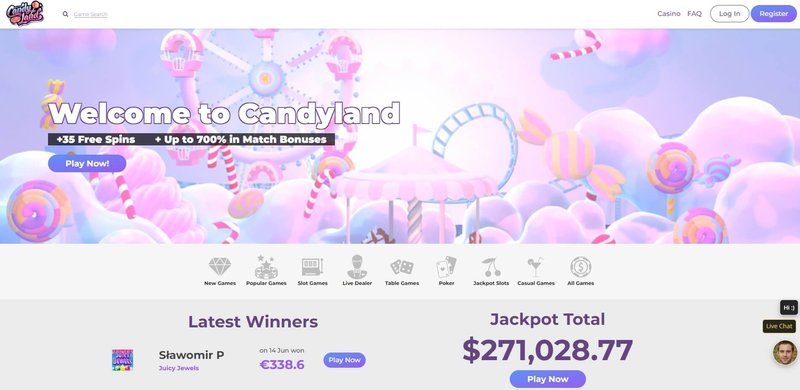
For those who enjoy the thrill of chance as much as a quick match, check out Candyland casino.
Speaking of convergence, the line between cloud gaming and online casino experiences is blurring. Many operators now host live dealer tables that stream in real time, offering the same low‑latency feel as a multiplayer shooter. If you’re curious about that side of the market, try checking out Candyland casino for a glimpse of how streaming tech is being repurposed.
What Still Holds You Back?
The biggest obstacle remains data caps. Even with 5G, a user on a limited plan will hit their ceiling quickly if they stream at high resolutions. Also, cloud services rely on continuous server uptime; occasional outages during peak hours have left some players unable to finish a match. These issues affect heavy users more than casual players.
Which Cloud Gaming Path Fits Your Lifestyle?
If you want a plug‑and‑play experience and don’t mind paying a single monthly fee, Xbox Cloud Gaming with Game Pass Ultimate offers the widest library and the lowest hassle. For gamers who already own a digital collection, Nvidia GeForce Now gives the flexibility to stream those titles at a lower price point. And if you’re on a very tight budget, keep an eye on occasional free‑tier promotions from services like Amazon Luna, which sometimes allow limited hours per month at no cost.
Overall, cloud gaming is reshaping UK mobile entertainment by turning any decent phone into a high‑performance console, cutting upfront costs, and expanding the range of content you can access on the go. The technology isn’t perfect yet, but the trend is clear: your next epic gaming session will likely be streamed, not installed.
Frequently Asked Questions
What is cloud gaming on phones?
Cloud gaming lets you stream high‑end console games directly to a smartphone, so you don’t need a powerful device to run them.
How does latency impact mobile cloud gaming?
Lower latency means smoother gameplay; providers like Google’s Stadia improved response times, making short matches playable on trains.
